Montrose property guide
Property and water-system context in Montrose
Montrose has a varied building history, mature trees, frequent remodeling, and a close mix of residential and commercial uses.
Historic houses, duplexes, apartments, townhomes, galleries, restaurants, and newer infill can place several plumbing eras on one block. These differences affect the number of meters and zones, pipe routes, access points, operating schedules, and the systems that must be separated before a source is assigned.
Moisture clues that need careful separation
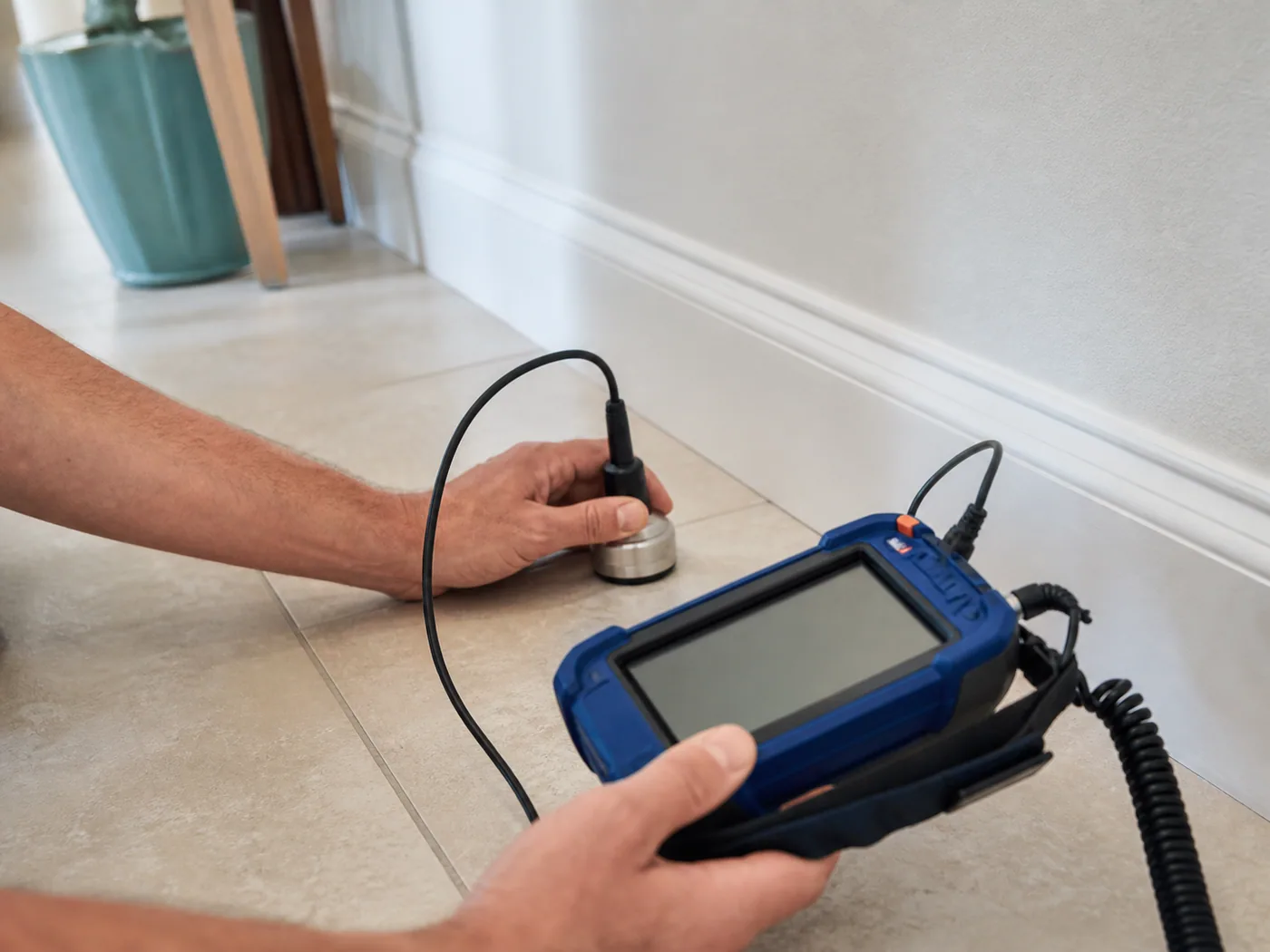
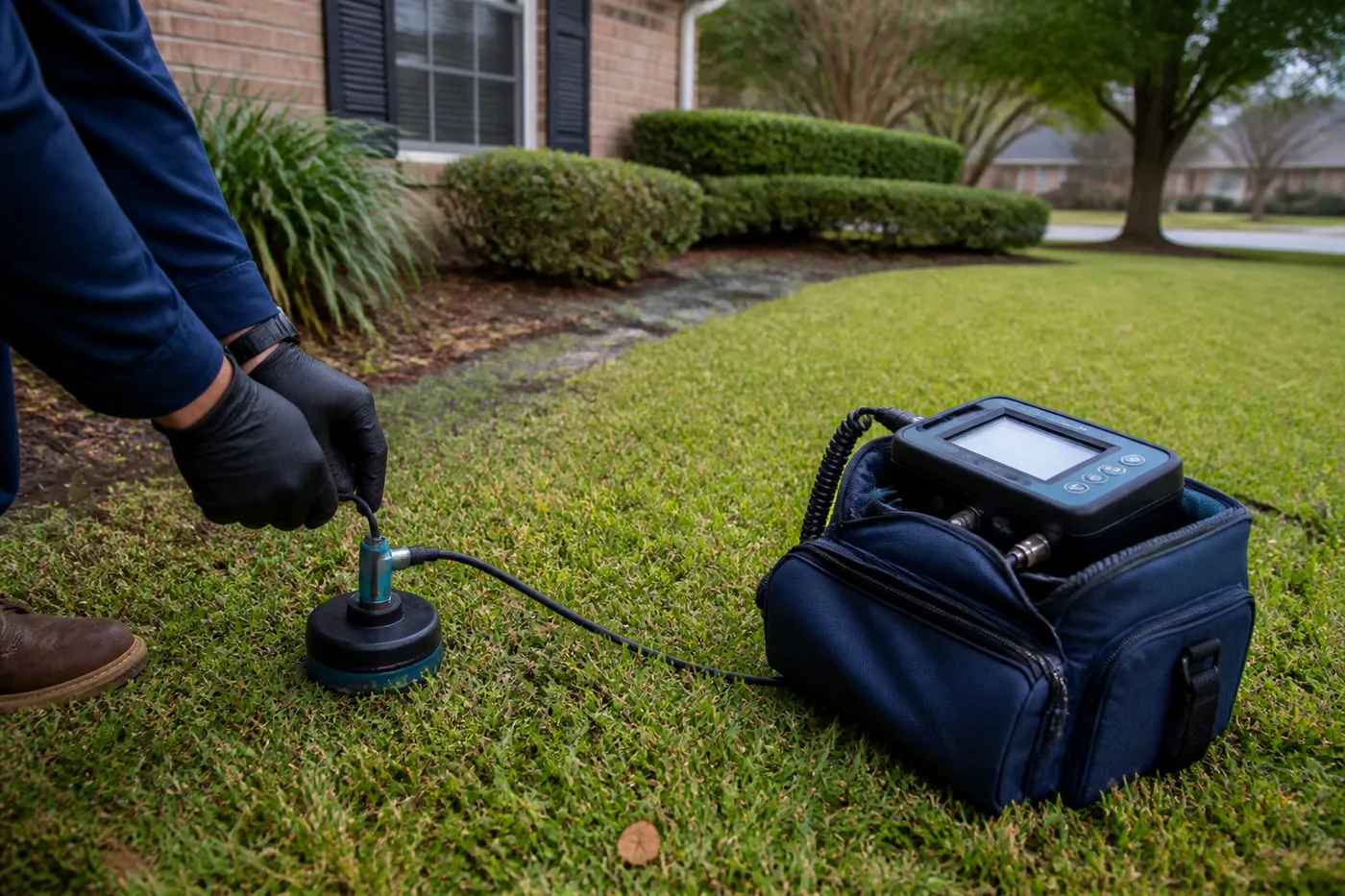
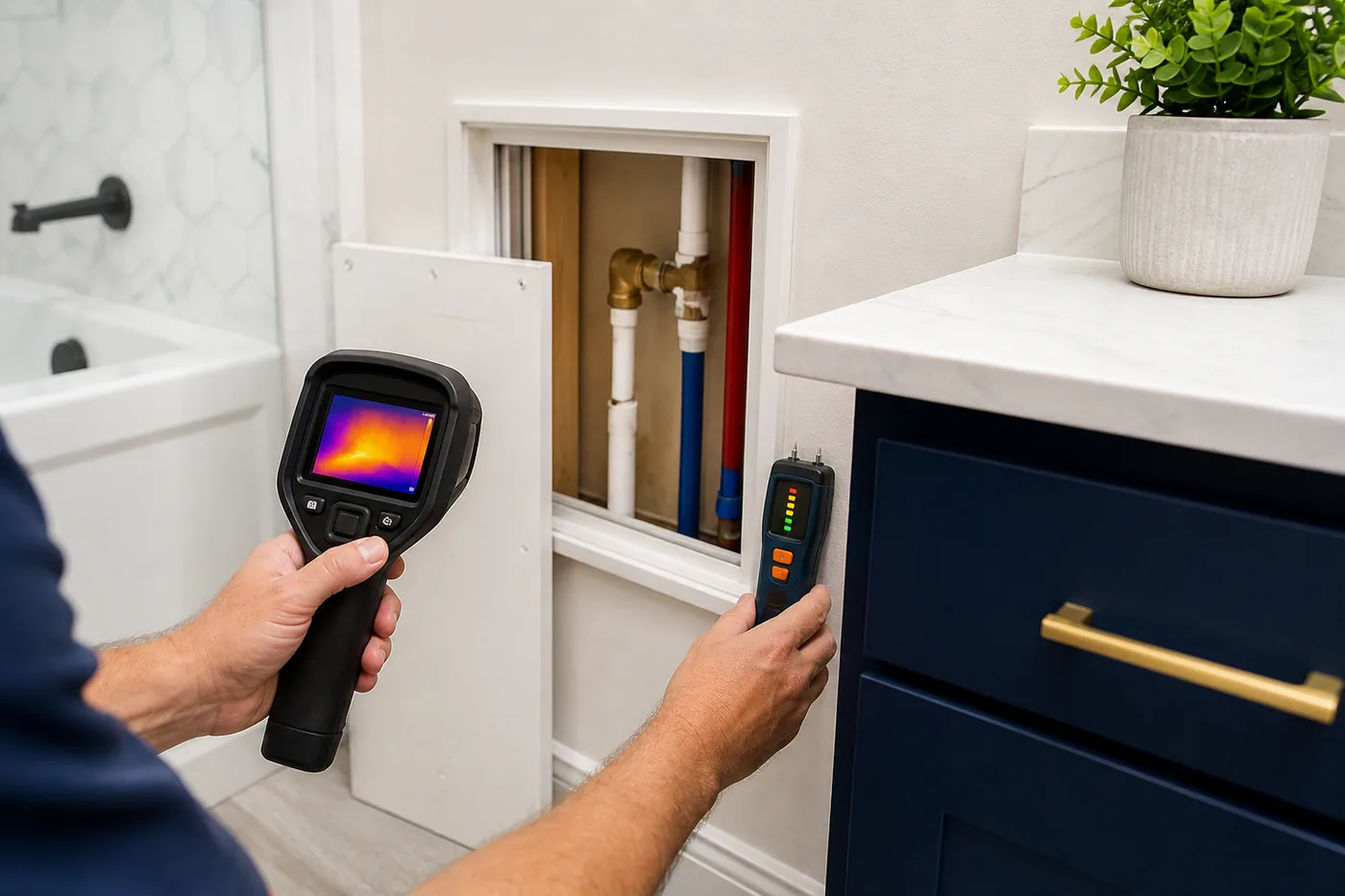
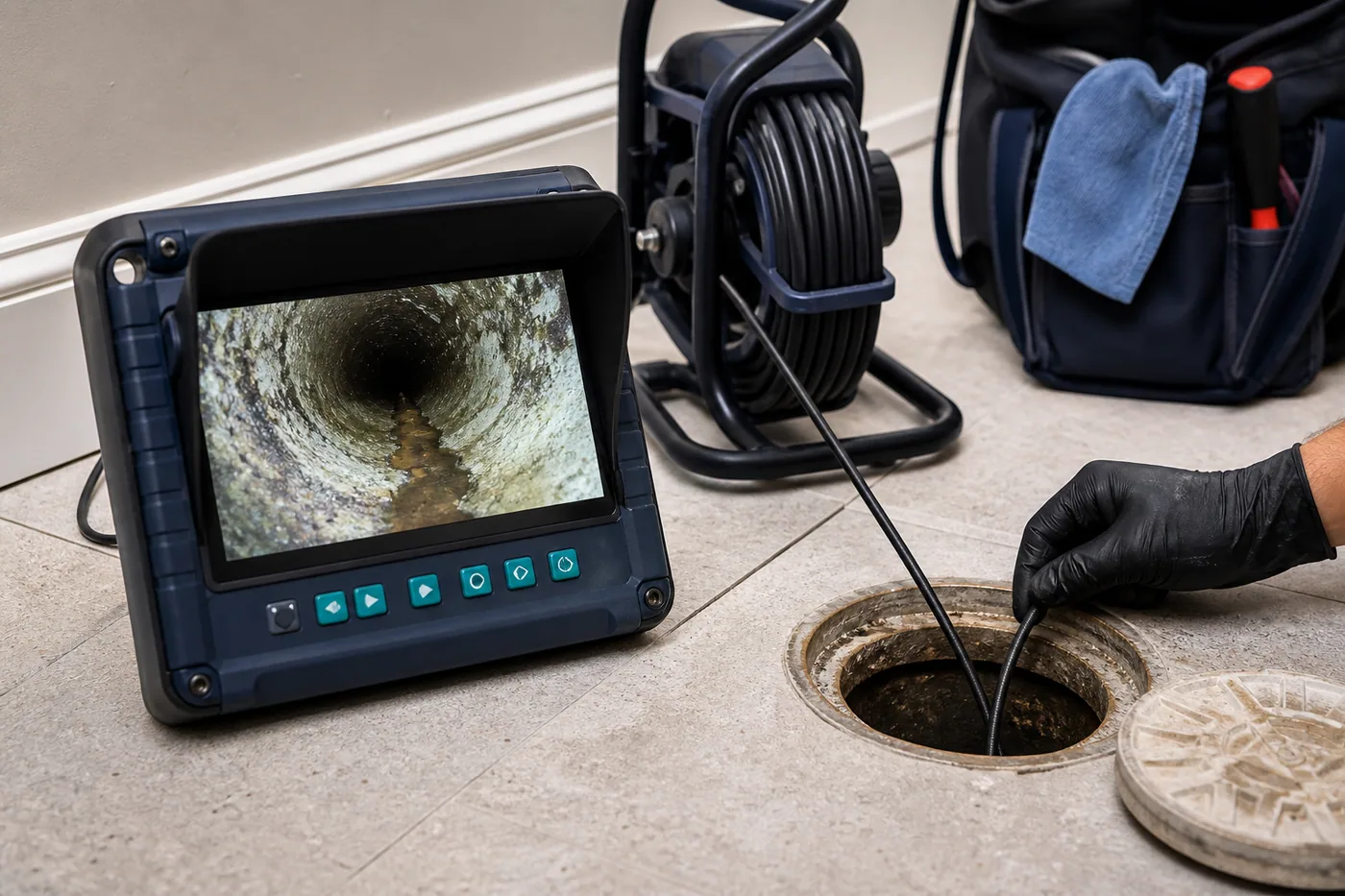
Older buried services, remodel transitions, crawlspace or slab construction, shared walls, and tree-root activity can affect how a leak is traced. A current leak should be supported by meter, pressure, moisture, thermal, acoustic, drainage, or water-level evidence that connects the symptom to an active system.
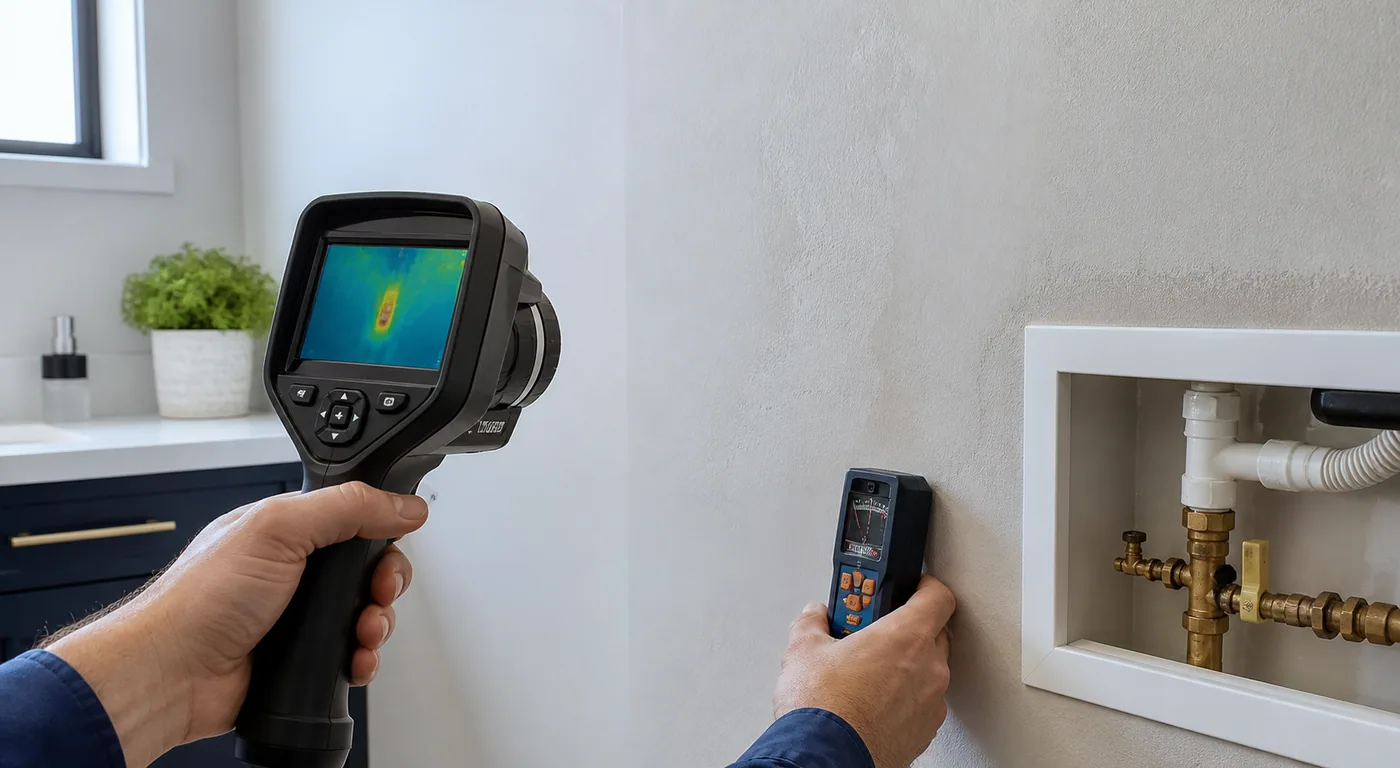
Preparing a Montrose property for testing
Clarify building age, recent renovations, meter location, parking, pets, tenants, and whether the suspected source is inside or in the yard.
Before the visit, note the first symptom, timing, active water use, recent weather, prior repairs, remodels, irrigation cycles, pool operation, appliance use, and whether a building manager or tenant controls any access point.
Private piping, utilities, and later repair
The service boundary can change with the actual provider, meter, MUD, city limit, private site main, tenant agreement, or property-side responsibility. Those details should be verified for the exact Montrose address. Detection does not authorize excavation, opening finishes, structural work, remediation, restoration, or utility-side repair.
How local service pages are organized
The seven links below stay inside Montrose. Each page combines one diagnostic scope with this area's property, access, and water-system context. The pages remain pre-launch until an operator verifies that exact service and location combination.