Houston diagnostic guide
Signs that point toward sewer line leak detection
Sewer Line Leak Detection is intended to investigate a suspected drain or building-sewer leak without treating it as a pressurized water-line failure. This scope may fit when odor, recurring dampness, soil settlement, unexplained wet areas, or drainage symptoms suggest a cracked, separated, or leaking waste line. Record when the condition began, whether it changes with fixture use or time, and whether a meter, pressure, sound, temperature, odor, or moisture pattern can be repeated.
The system boundary includes fixture drains, branches, stacks, cleanouts, the private building sewer, joints, penetrations, and accessible vent relationships. That boundary matters because water may travel away from its source, multiple systems may occupy the same cavity, and previous moisture can remain after active flow stops.
How the suspected system is isolated
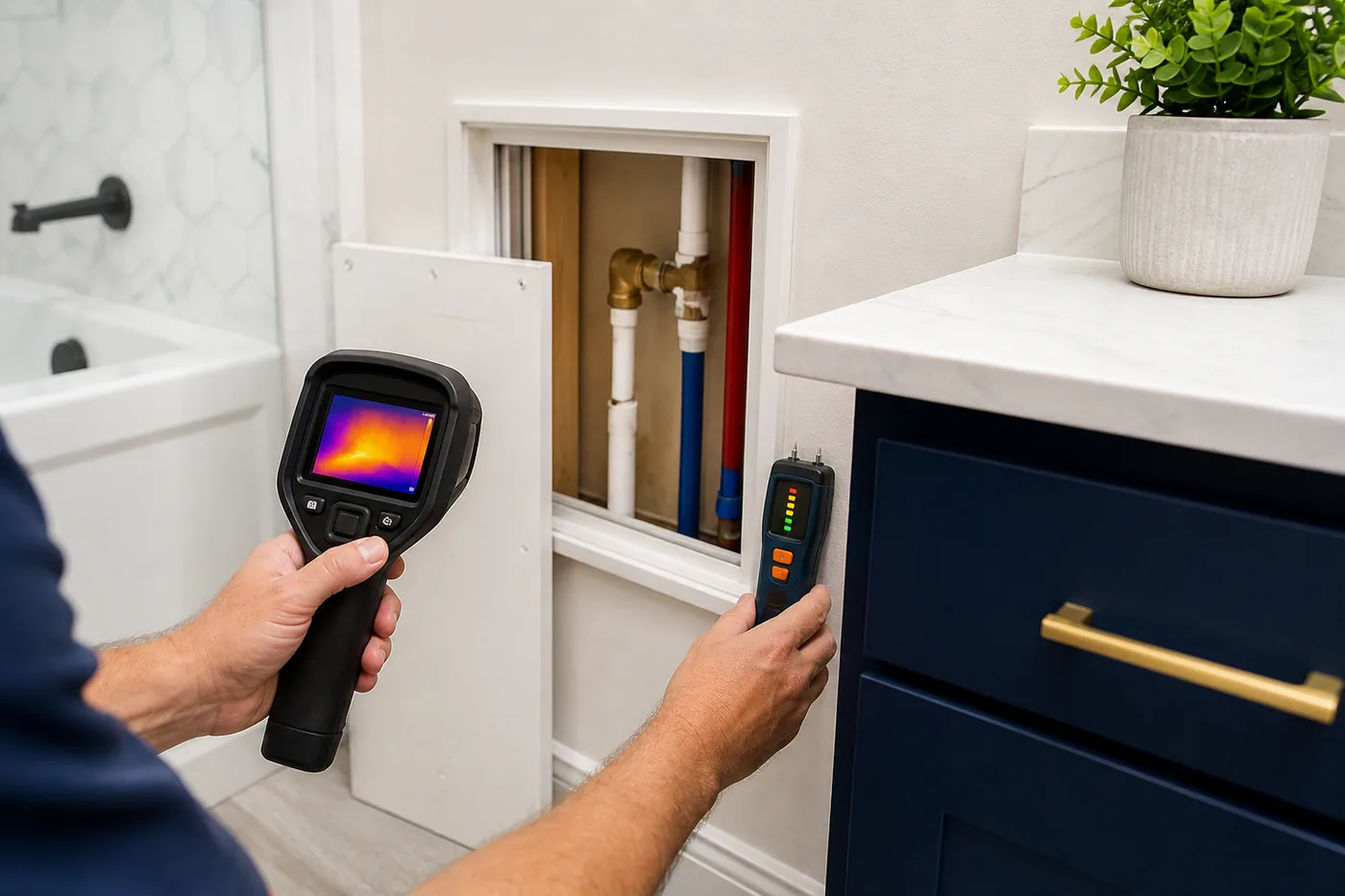
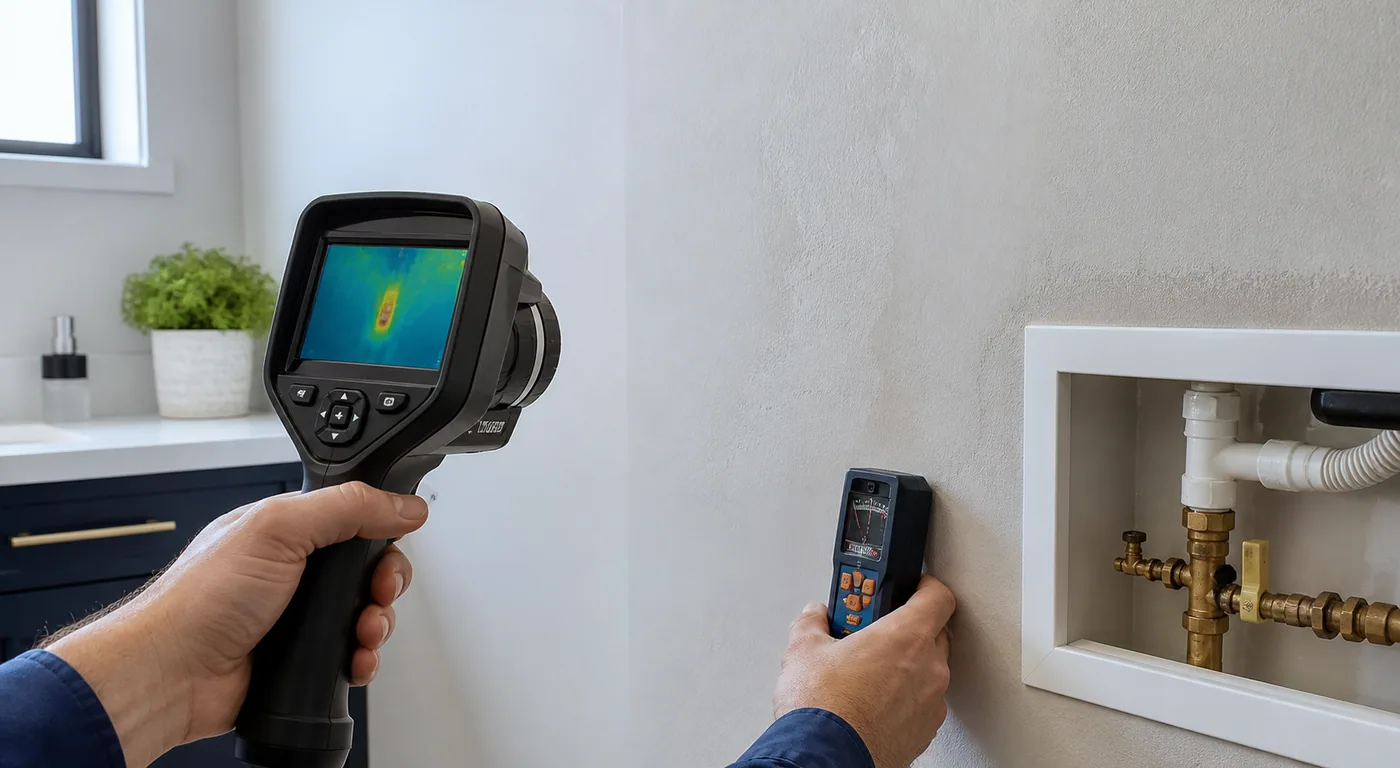
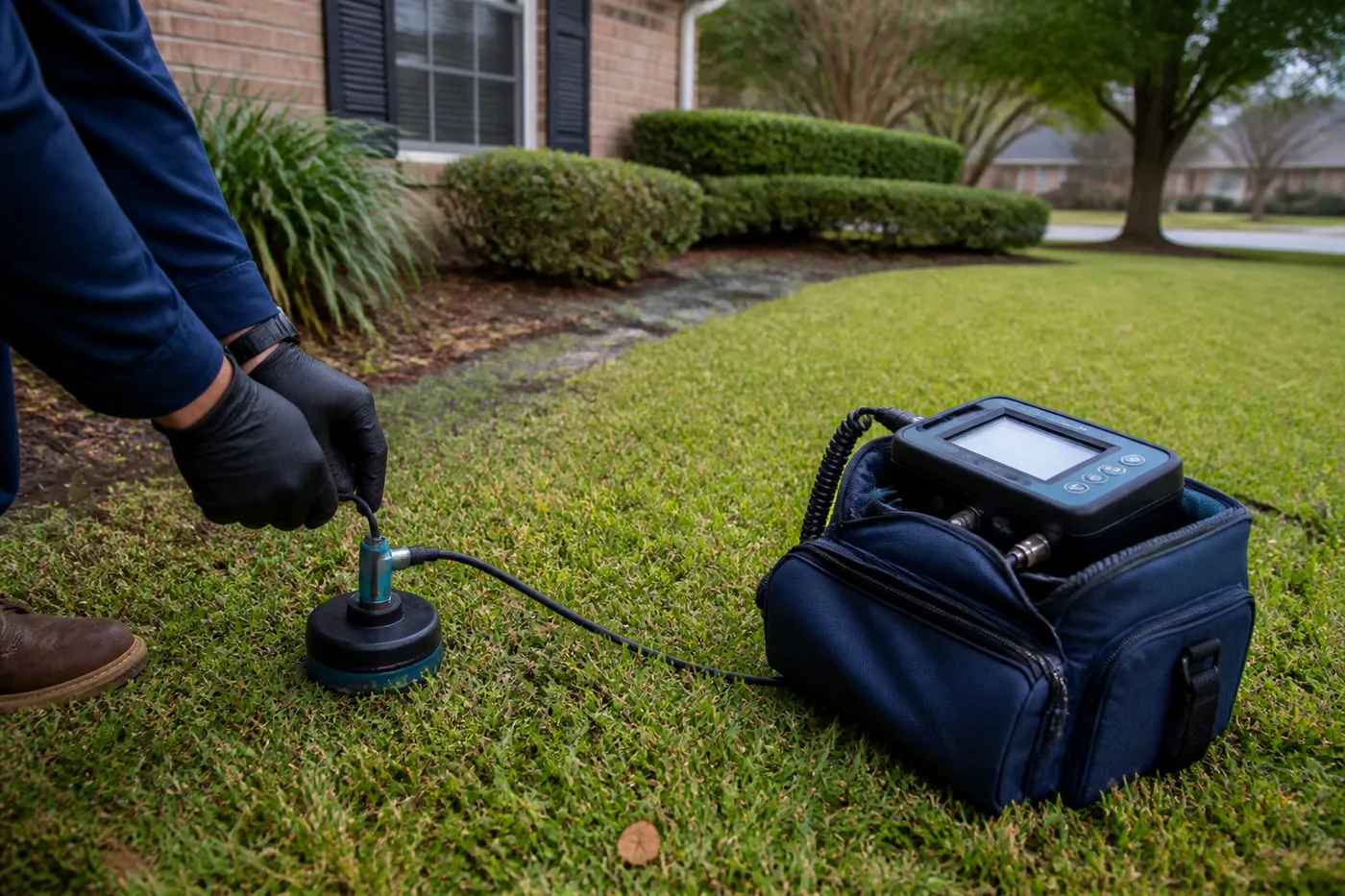
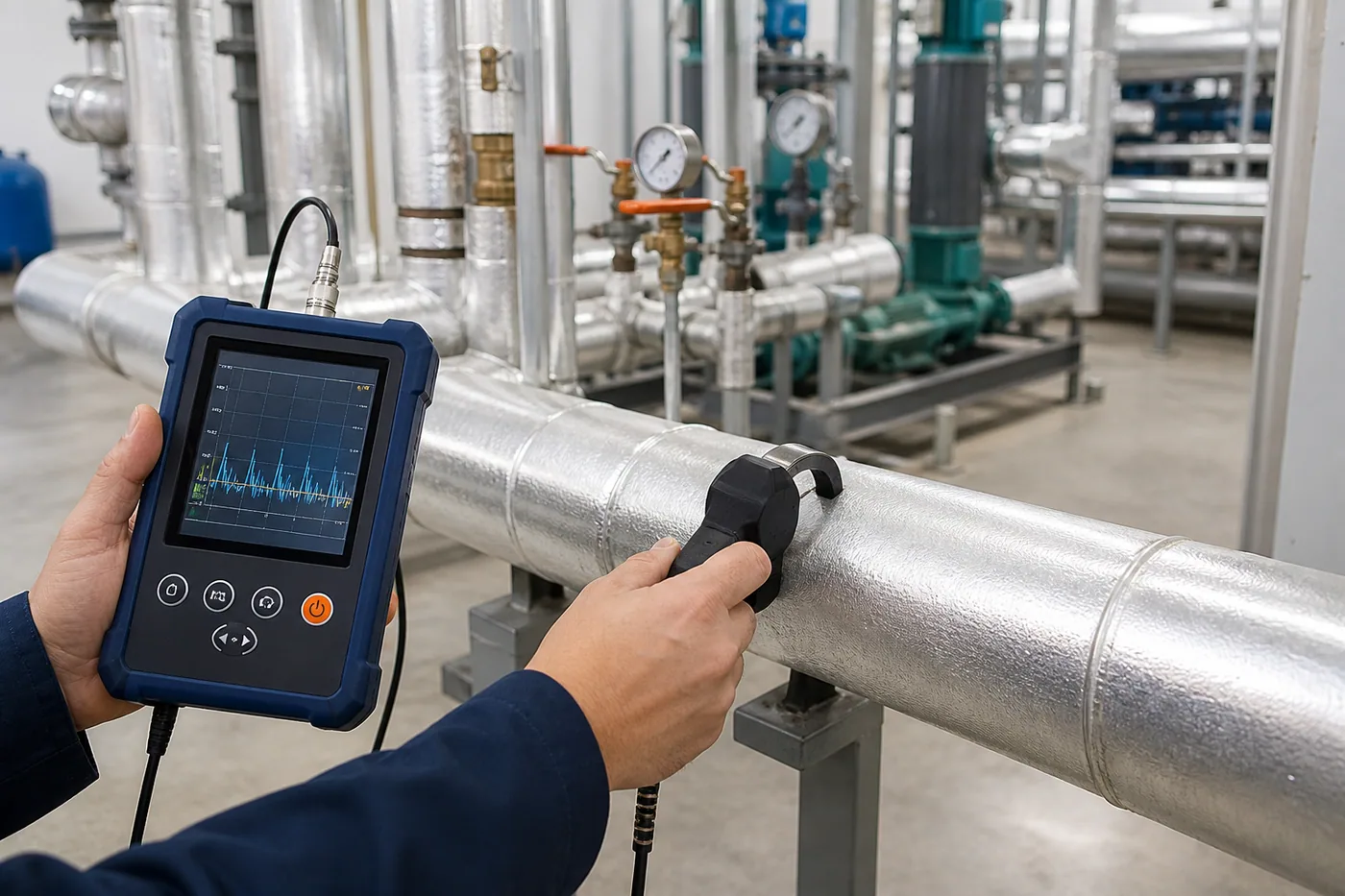
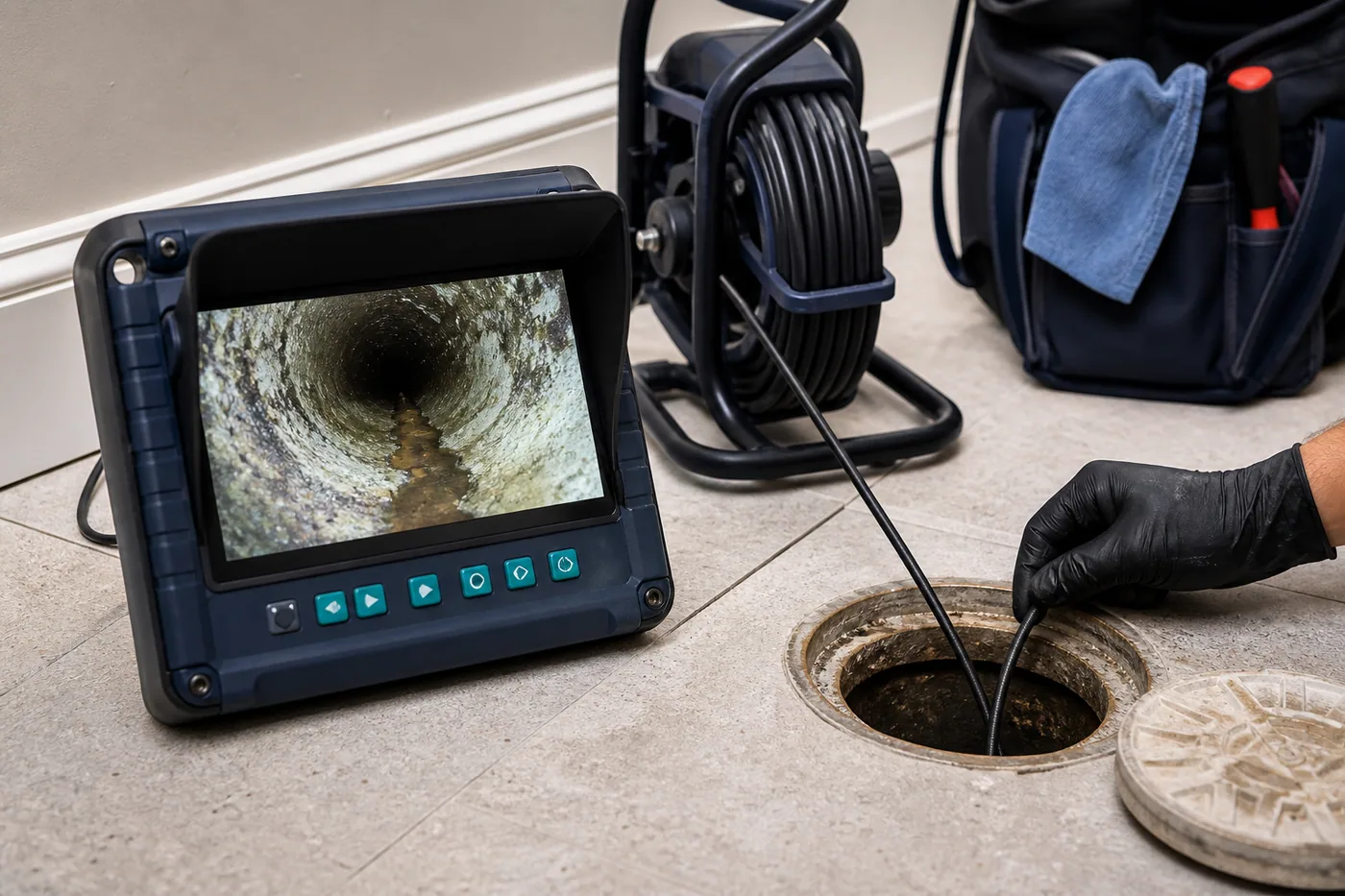
A testing plan may use camera inspection where the line is passable, controlled flow tests, cleanout observation, isolation, smoke or dye testing when appropriate, and surface correlation. No single tool proves every leak. The sequence should begin with the reported symptom, remove competing explanations, and test the sections capable of producing the condition.
Evidence that supports a useful finding
The useful result is a documented defect, failed controlled test, or repeatable relationship between flow and the observed moisture area. Photographs, meter observations, pressure results, marked boundaries, test conditions, and limits should be documented in plain language. If access or signal conditions prevent a firm conclusion, the report should explain the remaining possibilities and the next test that could narrow them.
What this detection scope does not prove
a camera image can show defects but does not by itself prove that a specific defect is leaking into the surrounding soil or structure. Detection is not a promise that a repair can use a particular opening, that concealed pipe follows an assumed route, or that every wet material comes from the same event.
Repair planning after detection
The detection scope covers private drainage piping from accessible fixtures or cleanouts to the applicable property-side boundary. Pipe repair, demolition, excavation, finish removal, drying, remediation, structural work, restoration, permits, and utility coordination remain separate unless a verified operator includes them in writing. A repair proposal should refer back to the documented test conditions rather than treating a mark as a guarantee.
What affects the testing scope and price
Common variables include cleanout access, line condition, blockage, distance, branch complexity, occupied-space protection, and whether controlled tests require coordination. A comparable proposal should state the systems included, available test time, access assumptions, deliverables, exclusions, and how additional zones or concealed conditions are handled.