Pearland service guide
When this Pearland detection scope may fit
Plumbing Leak Detection in Pearland is intended to separate supply, fixture, appliance, drain, and condensation sources inside a home or building. The scope may fit when a wall, ceiling, cabinet, fixture, or appliance area becomes damp without a clear visible source.
Established homes, newer slab subdivisions, apartments, medical offices, retail, schools, pools, irrigation, and commercial sites are common. In this property mix, the request should identify the building type, meter arrangement, suspected route, affected zone, prior work, and who controls access.
Local conditions that can change the test sequence
Clay soil, long services, rapid development, MUD boundaries, irrigation, and commercial private mains can influence meter testing and buried-line tracing. These conditions do not prove a leak, but they affect which competing sources must be removed and where instruments can produce useful readings.
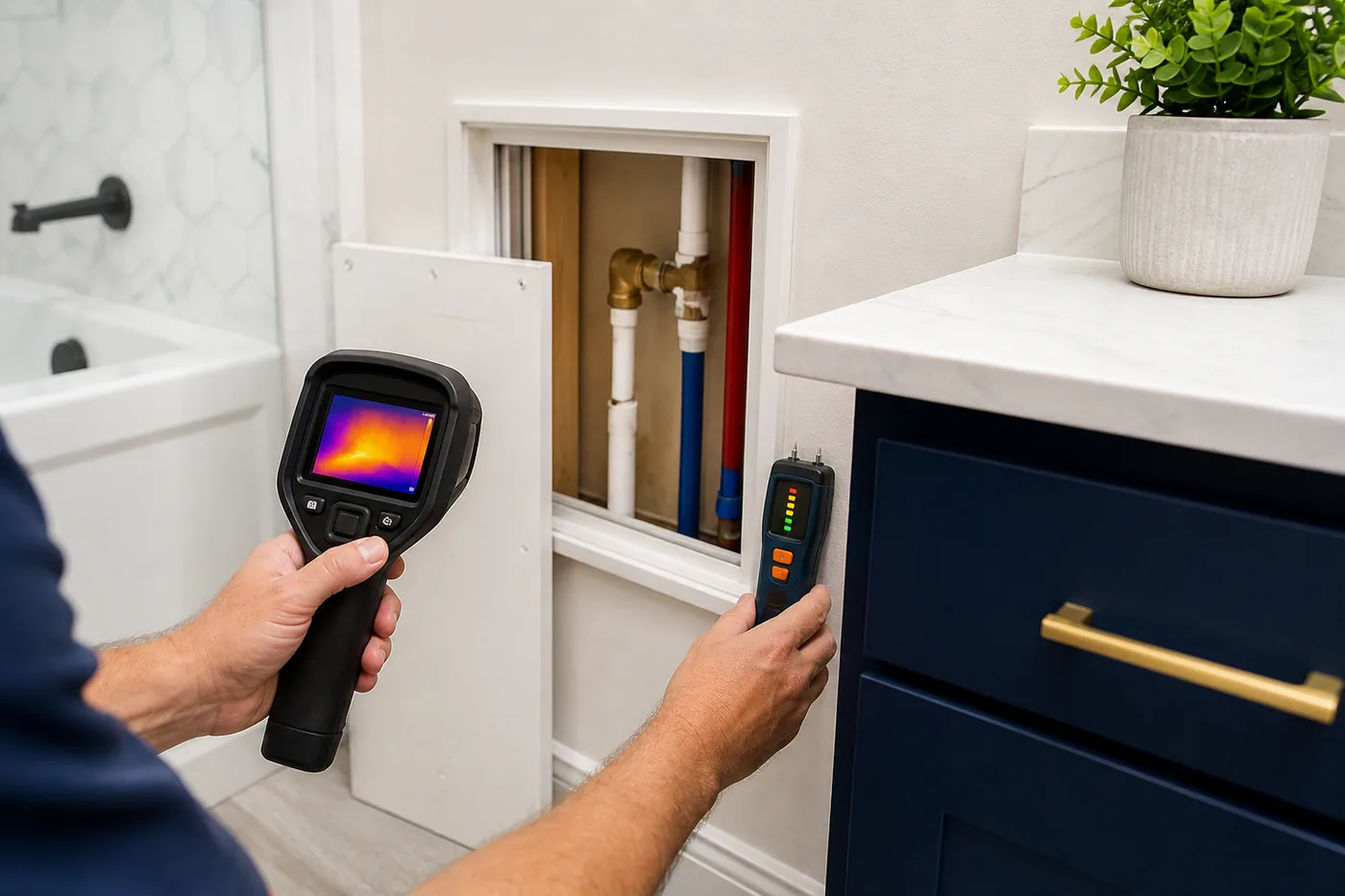
How plumbing leak detection is approached
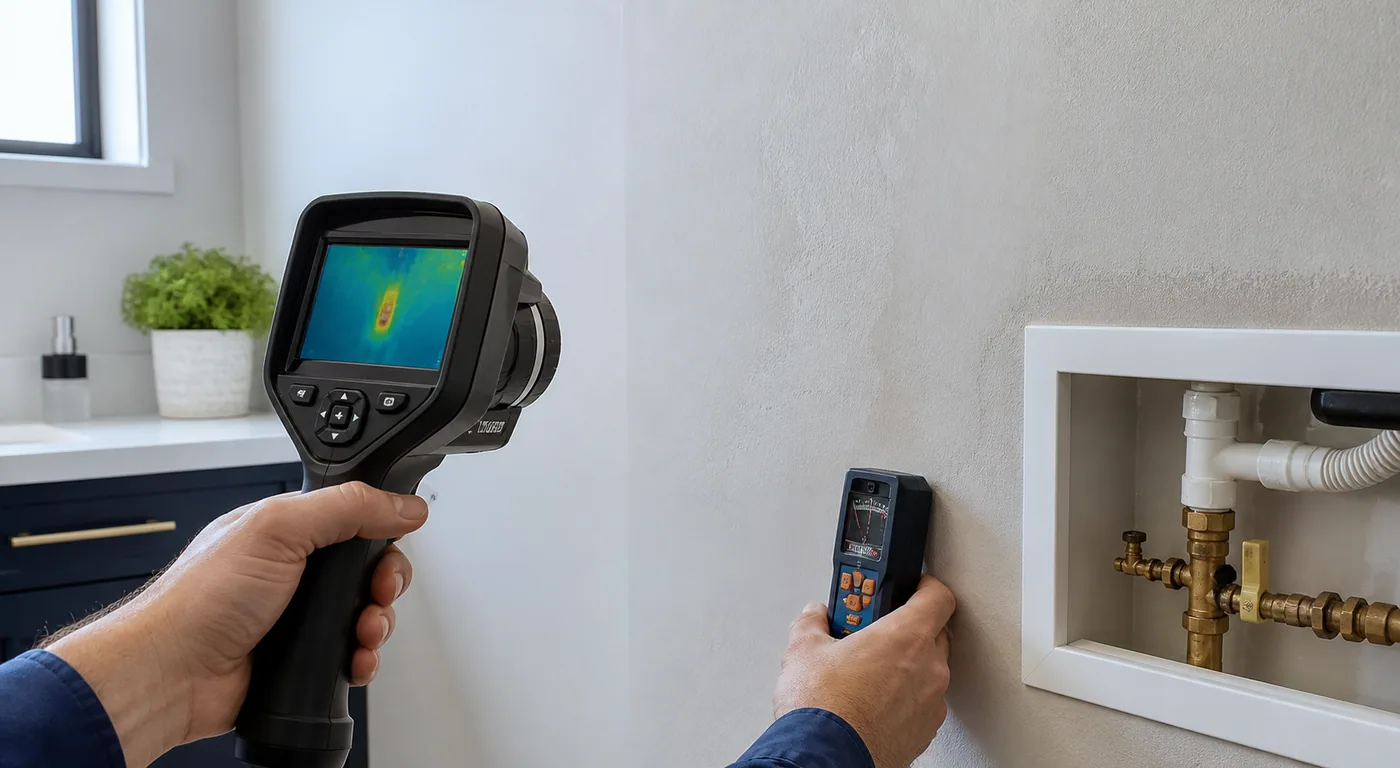
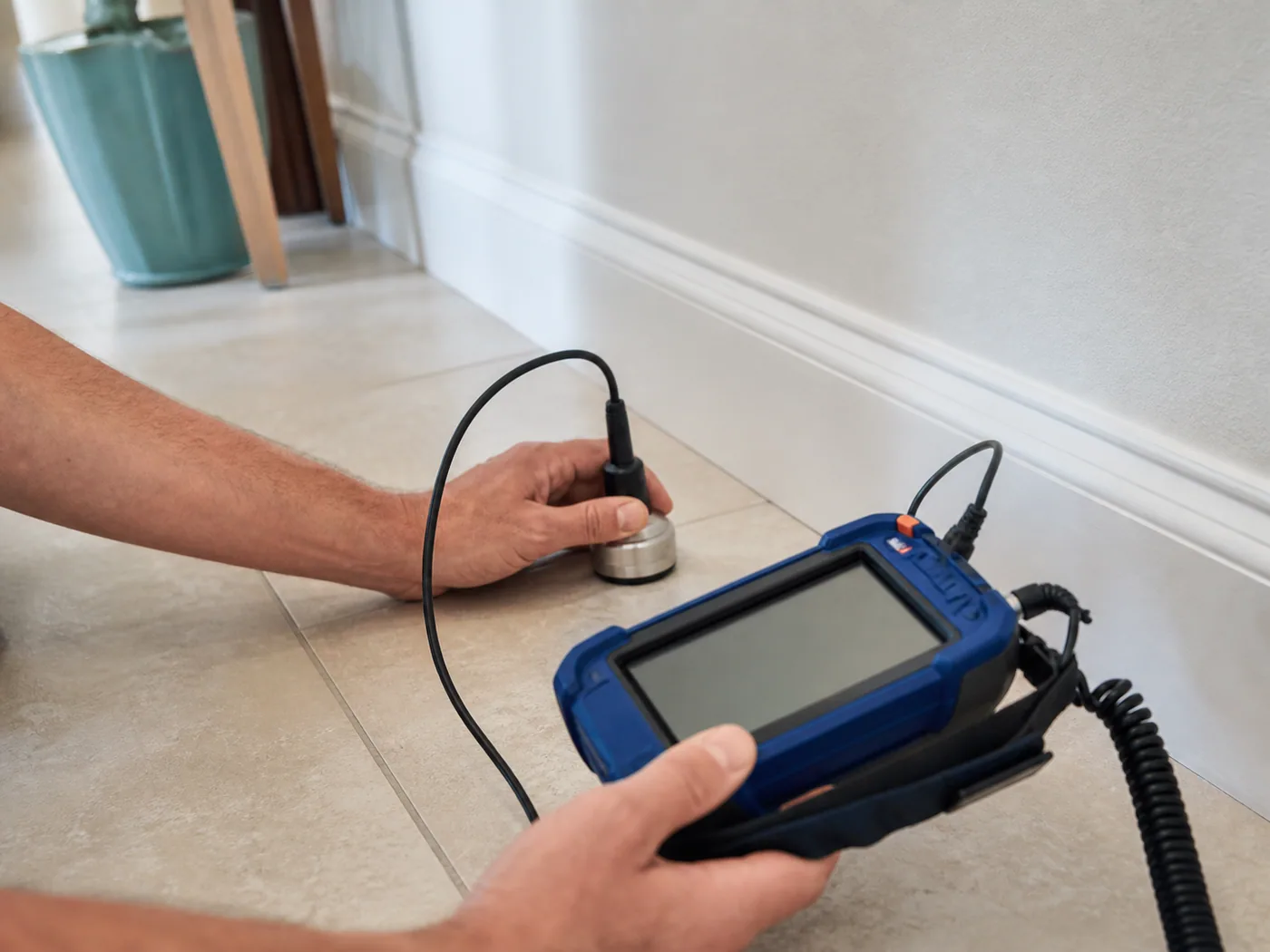
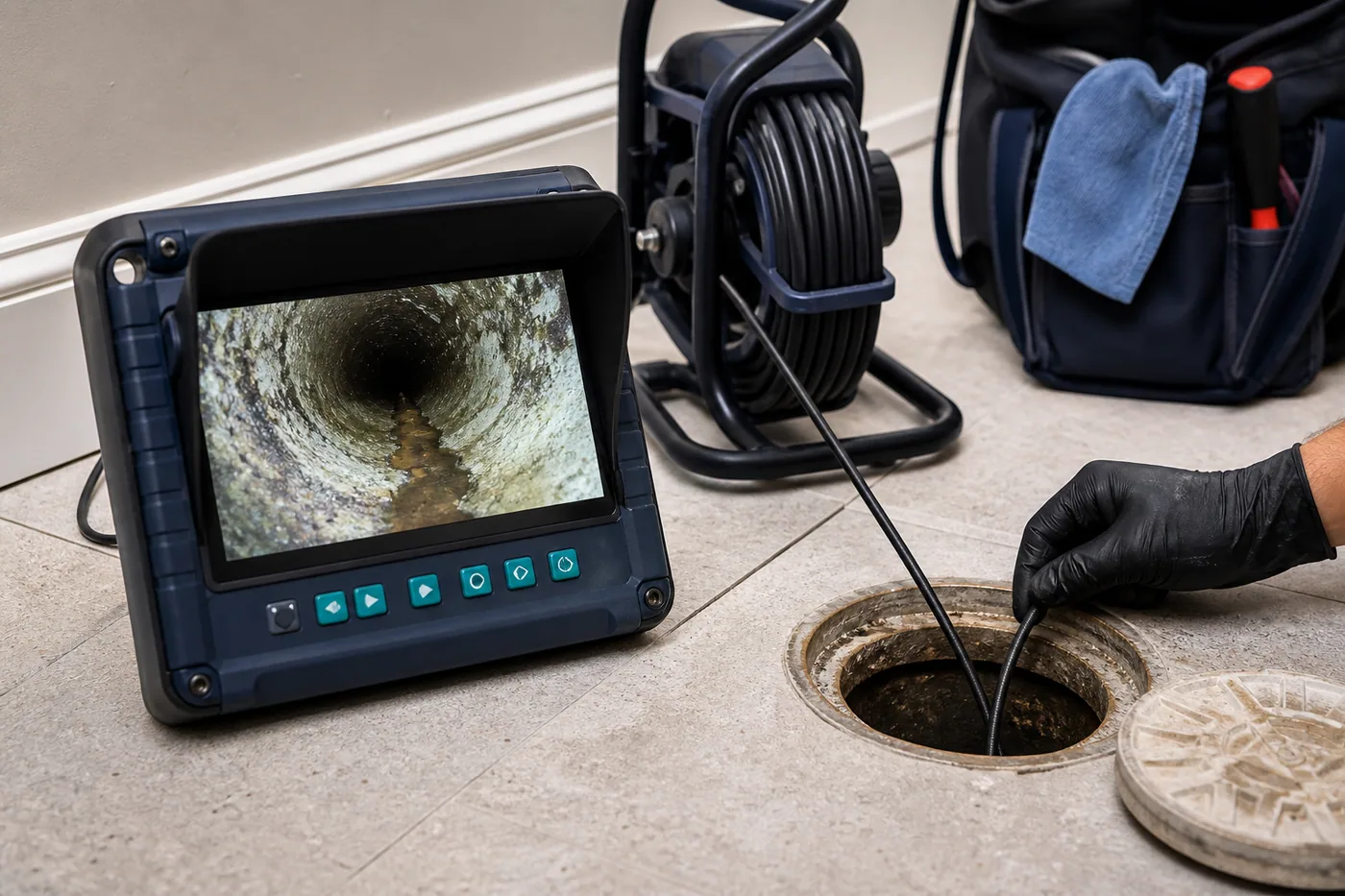
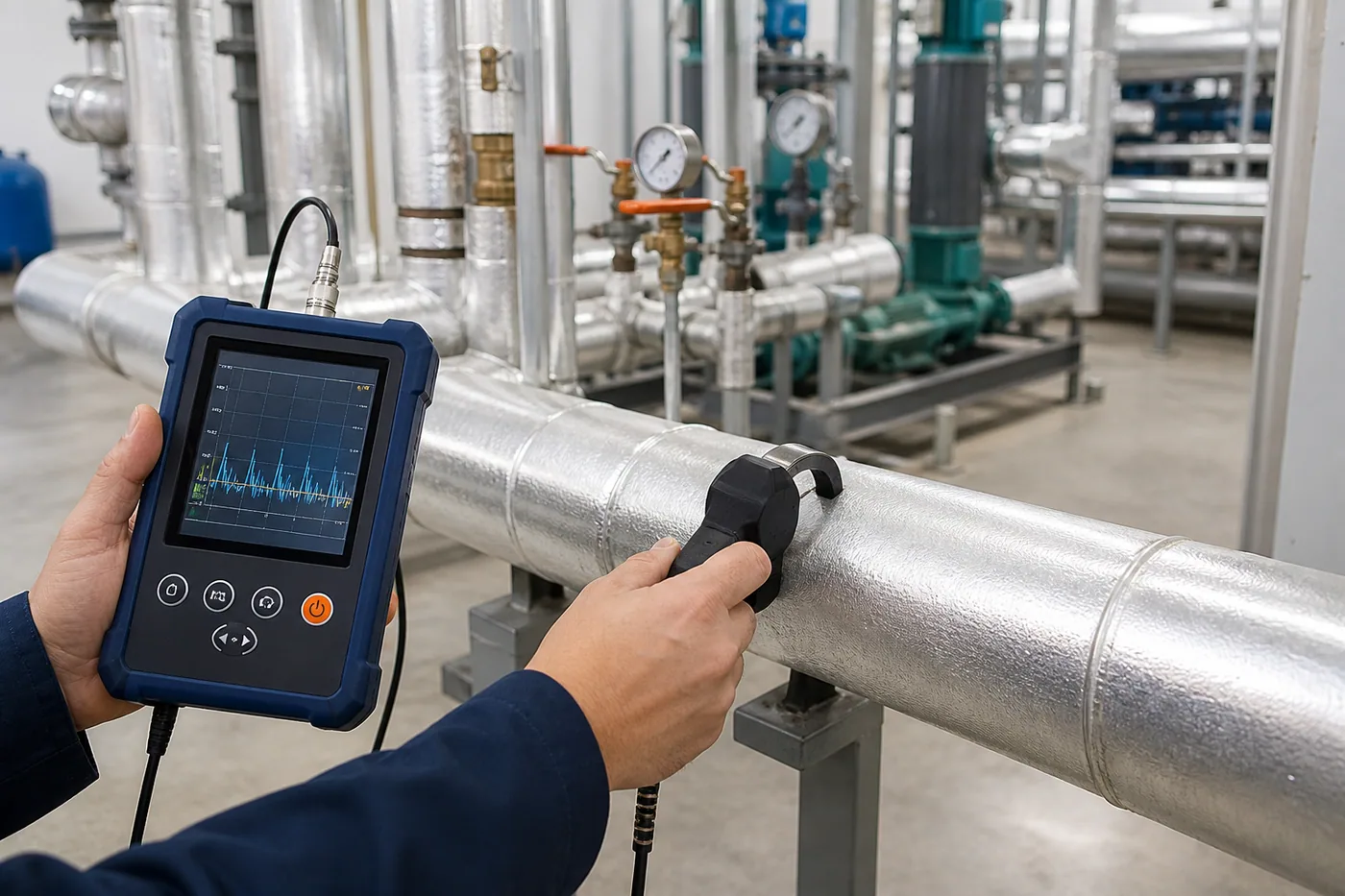
The system boundary includes pressurized supply piping, stops and connectors, fixtures, appliance feeds, drain and overflow assemblies, shower enclosures, and condensate paths. Testing may use fixture isolation, meter observation, moisture mapping, thermal imaging, controlled flow tests, and access-point inspection. A useful sequence starts with the reported condition, isolates the relevant zones, repeats observations where possible, and documents conditions that limit the conclusion.
Evidence expected from the Pearland visit
The intended evidence is a source that can be reproduced or a narrowed cavity and system boundary supported by readings. The record should connect the result to the exact test condition and property area rather than presenting a tool reading without context.
Access and coordination in Pearland
Confirm the exact municipal or district location, meter and valve locations, gate access, pool or irrigation systems, and recent construction or utility work. For this service, also identify valves, meters, cleanouts, equipment, occupied rooms, pets, gates, security, tenant approvals, and any limit on water use or shutdown duration.
Repair and responsibility boundaries
water can travel along framing and finishes, so the wettest visible point should not automatically be treated as the origin The exact provider, jurisdiction, private-versus-utility boundary, property agreement, and repair authority must be verified for the address. Detection does not include excavation, finish removal, drying, remediation, structural work, pipe repair, or restoration unless later placed in a separate written scope.
What affects plumbing leak detection cost in Pearland
Cost commonly changes with number of fixtures, finish materials, ceiling height, appliance access, moisture spread, occupied-space protection, and controlled testing time. Local access, occupied-space coordination, site distance, security, utility boundaries, and additional zones can also change the scope. A proposal should state inclusions, limits, documentation, and how added testing is authorized.