Third Ward service guide
When this Third Ward detection scope may fit
Slab Leak Detection in Third Ward is intended to narrow a suspected pressurized water leak beneath or within a concrete foundation before access is planned. The scope may fit when warm flooring, unexplained meter movement, floor moisture, foundation-edge water, or the sound of running water suggests an under-slab line problem.
Pier-and-beam houses, slab homes, multifamily buildings, campuses, and commercial properties may contain older services beside newer plumbing. In this property mix, the request should identify the building type, meter arrangement, suspected route, affected zone, prior work, and who controls access.
Local conditions that can change the test sequence
Property age, vacant or remodeled structures, long service routes, mixed pipe materials, and drainage conditions can create several possible moisture sources. These conditions do not prove a leak, but they affect which competing sources must be removed and where instruments can produce useful readings.
How slab leak detection is approached
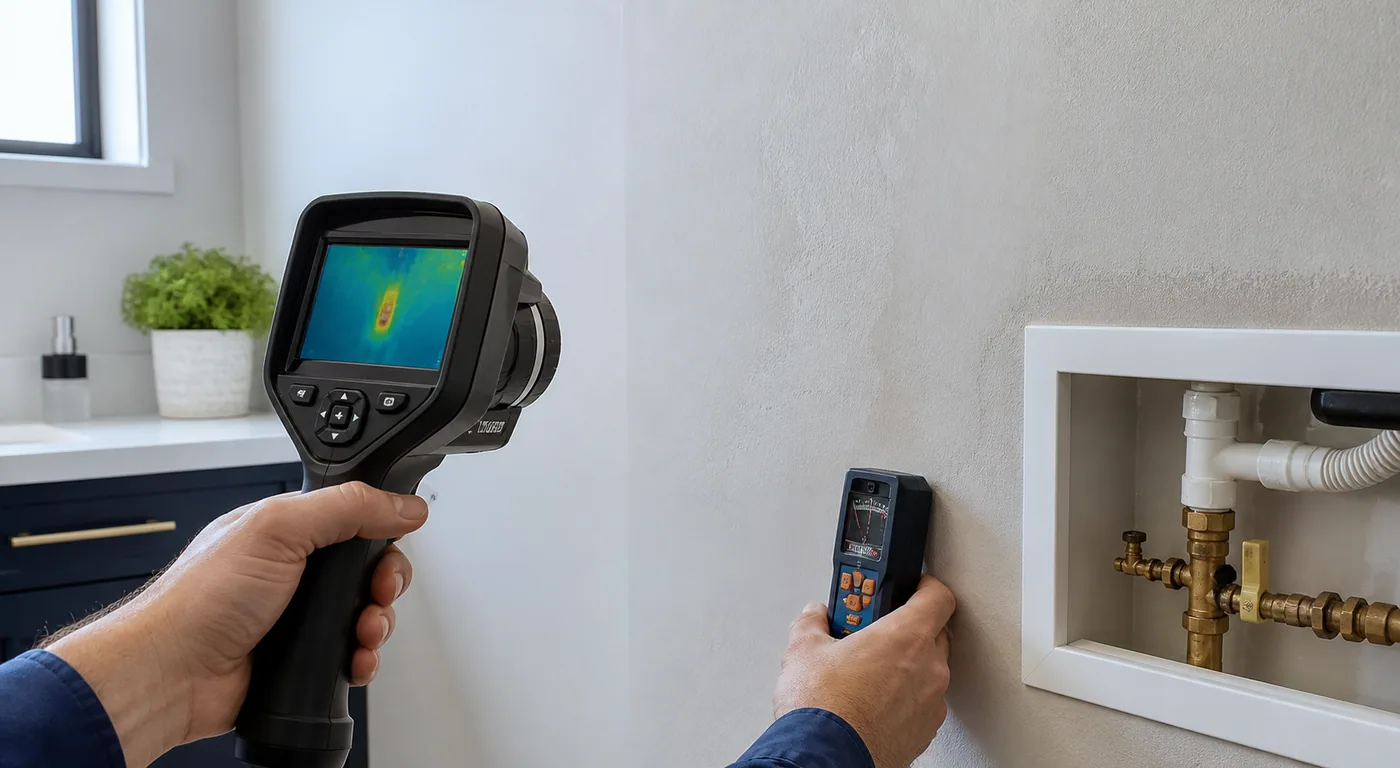
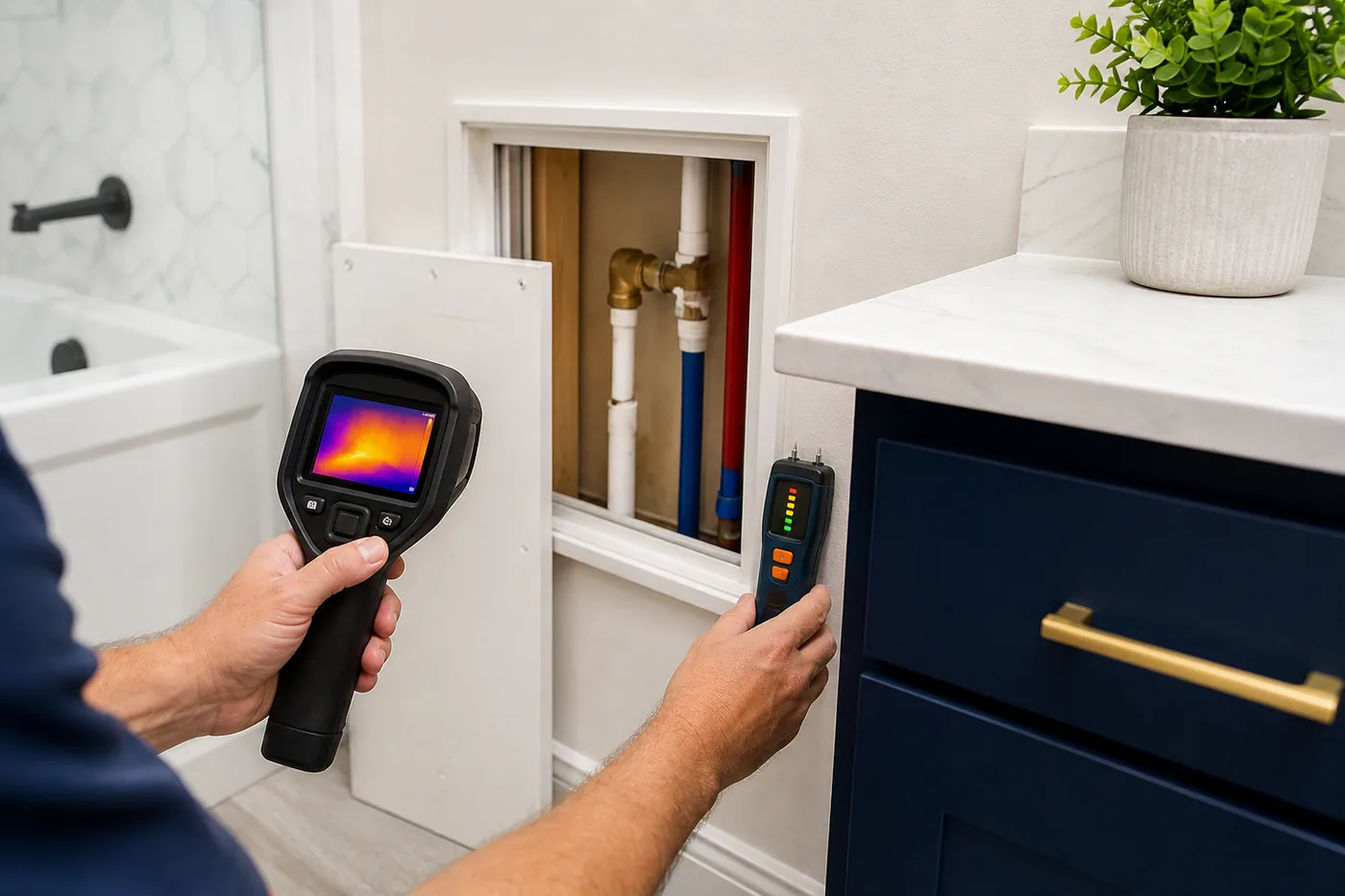
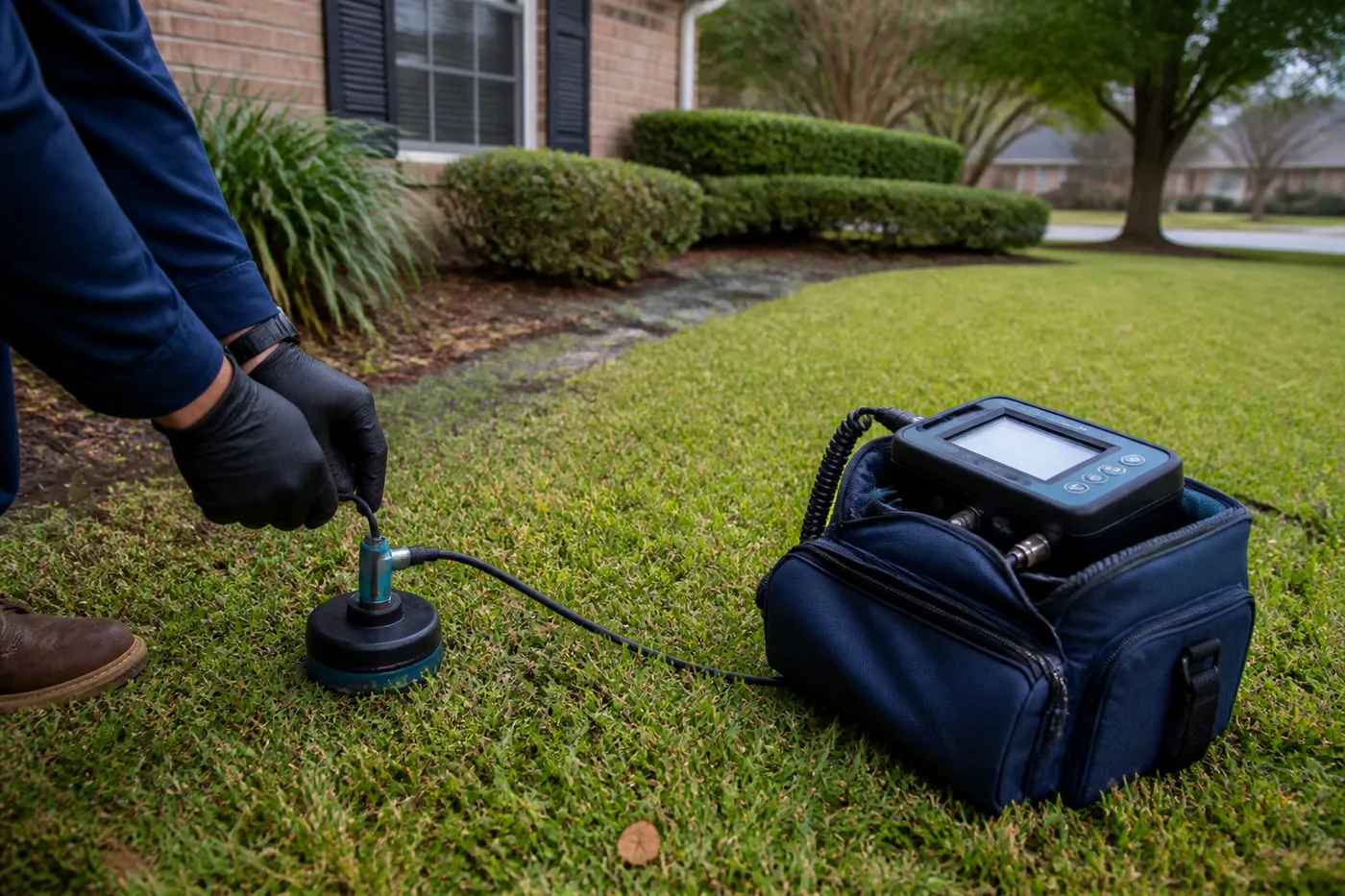
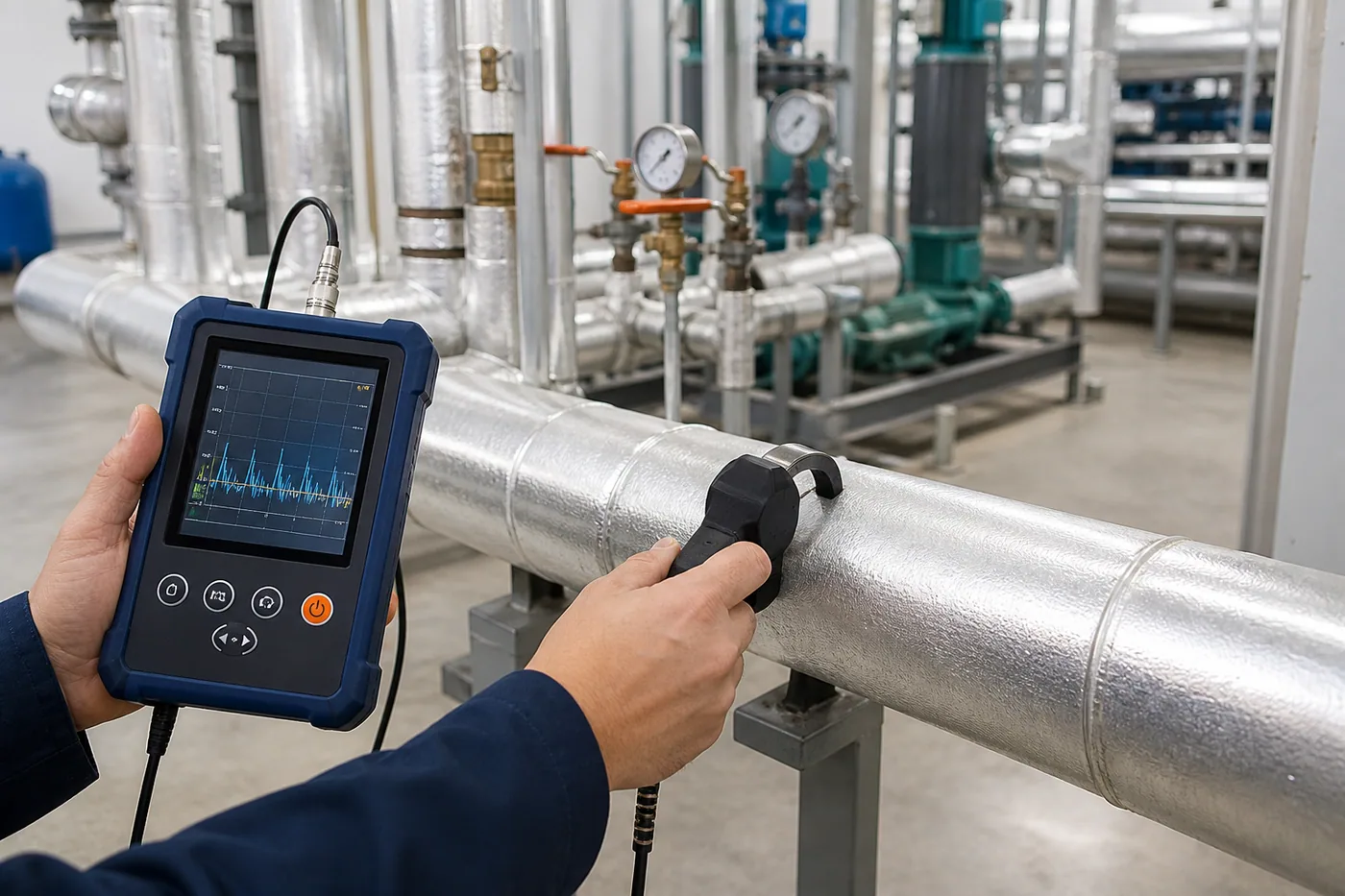
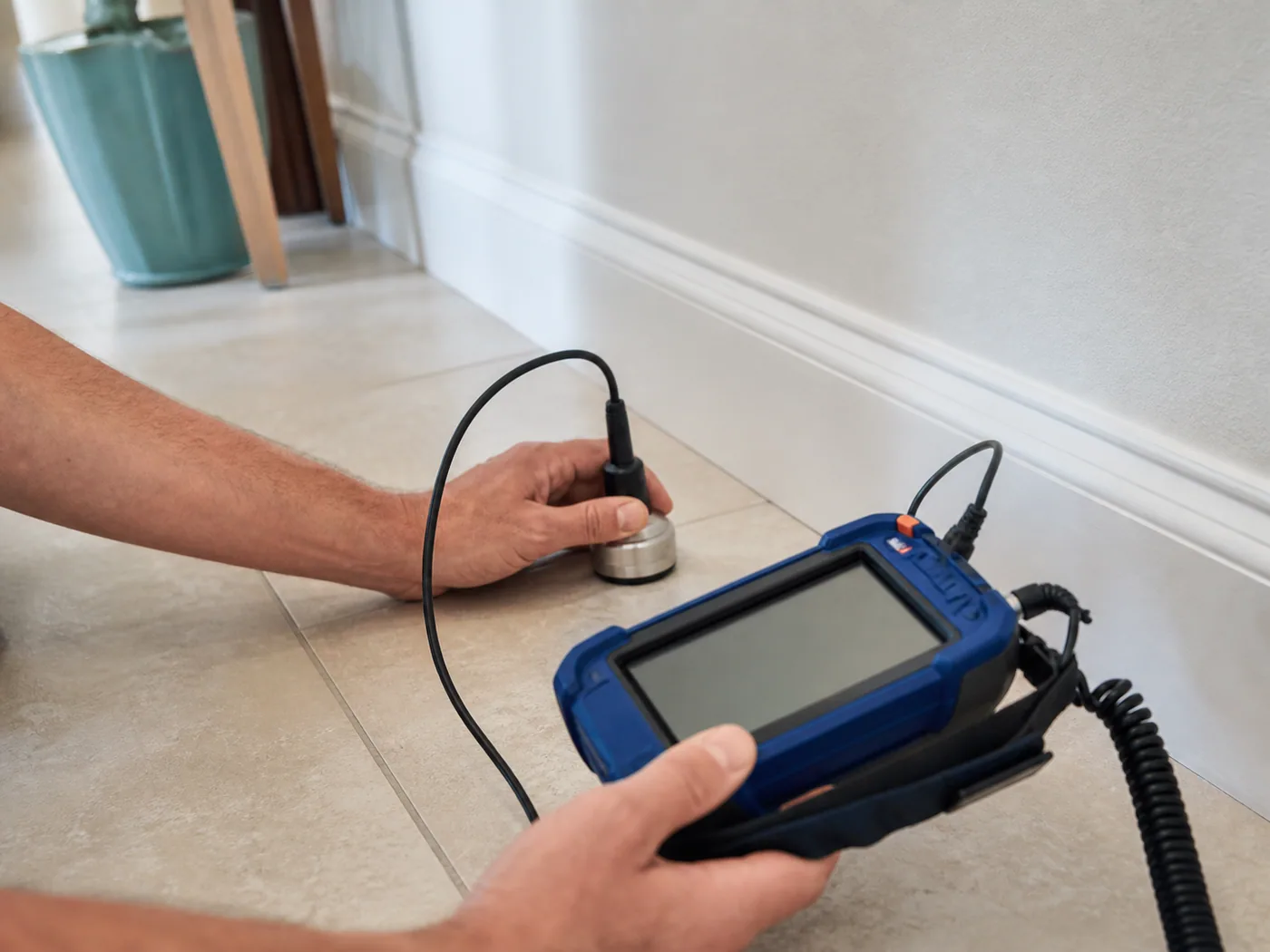
The system boundary includes hot and cold supply branches, slab penetrations, manifolds, accessible valves, foundation edges, and nearby drain or condensate routes. Testing may use pressure isolation, acoustic listening, thermal comparison, moisture readings, line tracing, and correlation at likely pipe paths. A useful sequence starts with the reported condition, isolates the relevant zones, repeats observations where possible, and documents conditions that limit the conclusion.
Evidence expected from the Third Ward visit
The intended evidence is consistent acoustic or thermal findings tied to an isolated line rather than a stain alone. The record should connect the result to the exact test condition and property area rather than presenting a tool reading without context.
Access and coordination in Third Ward
Clarify occupancy, utility status, meter location, crawlspace or slab construction, recent work, gate access, and authorized areas for testing. For this service, also identify valves, meters, cleanouts, equipment, occupied rooms, pets, gates, security, tenant approvals, and any limit on water use or shutdown duration.
Repair and responsibility boundaries
detection should define the likely pipe and zone while leaving repair access, rerouting, and foundation work to a separately approved scope The exact provider, jurisdiction, private-versus-utility boundary, property agreement, and repair authority must be verified for the address. Detection does not include excavation, finish removal, drying, remediation, structural work, pipe repair, or restoration unless later placed in a separate written scope.
What affects slab leak detection cost in Third Ward
Cost commonly changes with foundation size, flooring, pipe layout, manifold access, water noise, ambient conditions, and the number of zones that need isolation. Local access, occupied-space coordination, site distance, security, utility boundaries, and additional zones can also change the scope. A proposal should state inclusions, limits, documentation, and how added testing is authorized.